
Critical Making in Education
Exploring maker culture’s impact on youth as agents of change
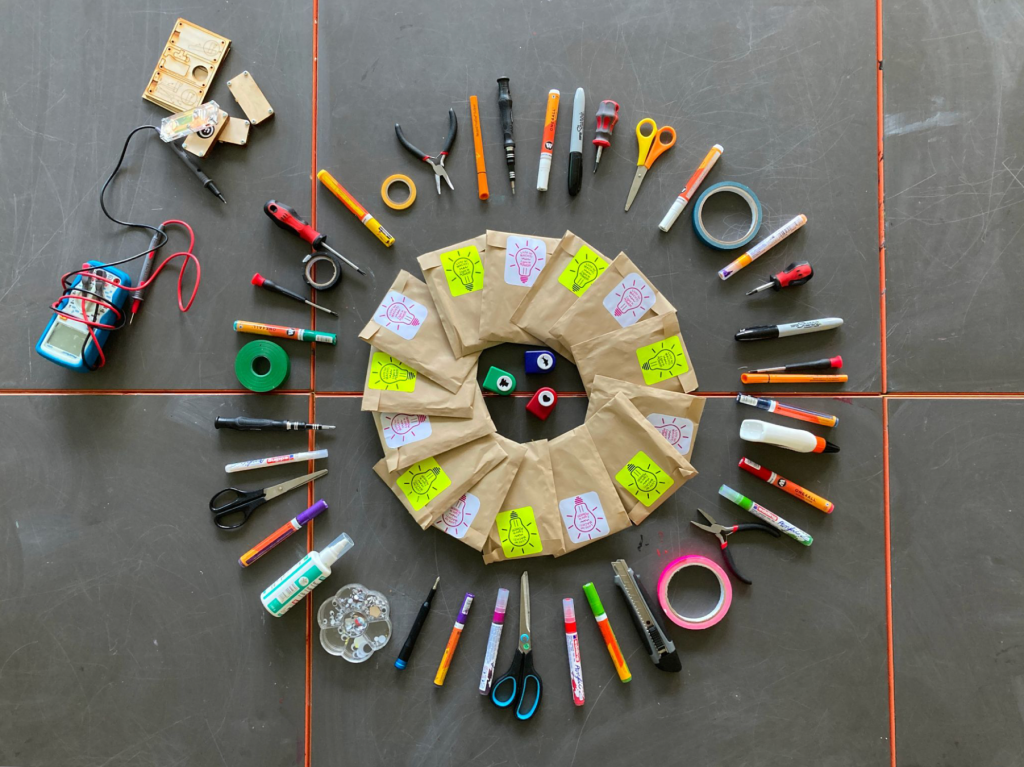
Fostering Critical Youth
Maker Encounters
Critical Making has the potential to future-proof education, giving young people a hands-on experience with technology while simultaneously building awareness of technological impact. We explore the dynamic world of young people and makerspaces, as a means of fostering active agents of change in their communities.
Through tailored workshop formats and participatory action research, we engaged multiple stakeholders to identify challenges, opportunities, and co-create solutions for integrating Critical Making into school curricula. We also looked to inspiring educational makerspaces worldwide for best practices in critical youth maker encounters.
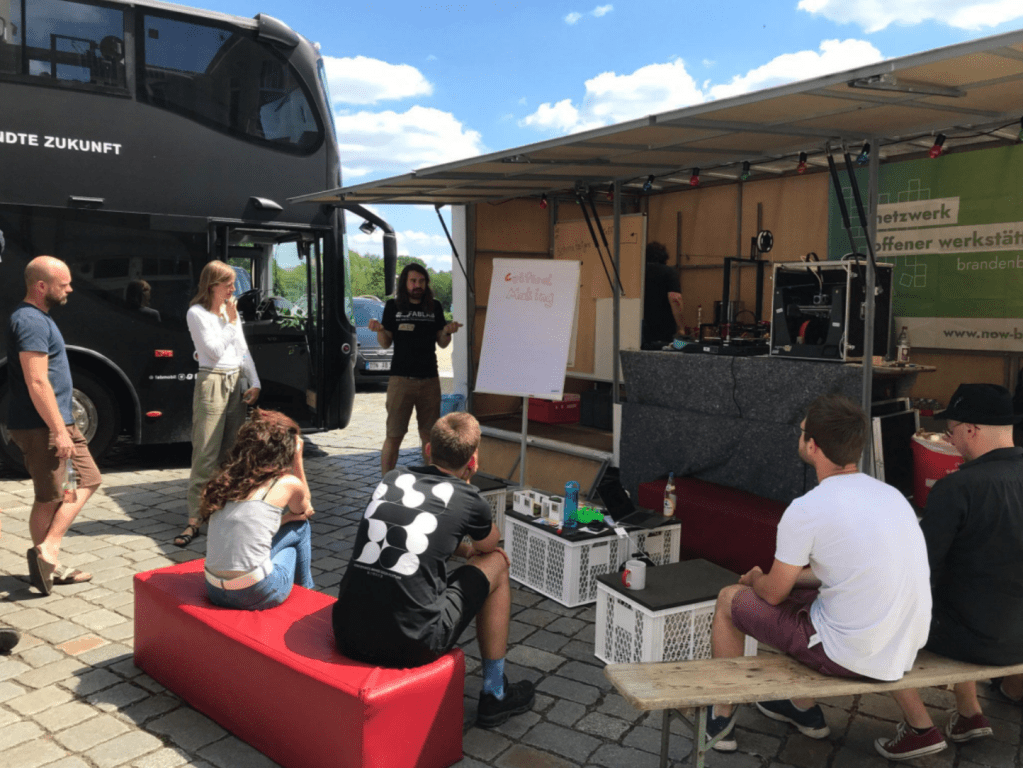
Participatory Action Research
Designed to introduce the novel concept of Critical Making and explore its integration within the educational system, these series of workshops served as a vibrant platform, uniting diverse stakeholders and sparking meaningful conversations that led to innovative ideas for incorporating Critical Making into curricula and classrooms. Our ultimate goal is to empower both educators and students with this transformative tool, nurturing essential skills in critical thinking, problem-solving, and creativity.
Explore some of our most inspiring experiences in participatory action research.
Best Practices in Critical Youth Maker Encounters
Learn how leading educational makerspaces are empowering youths worldwide
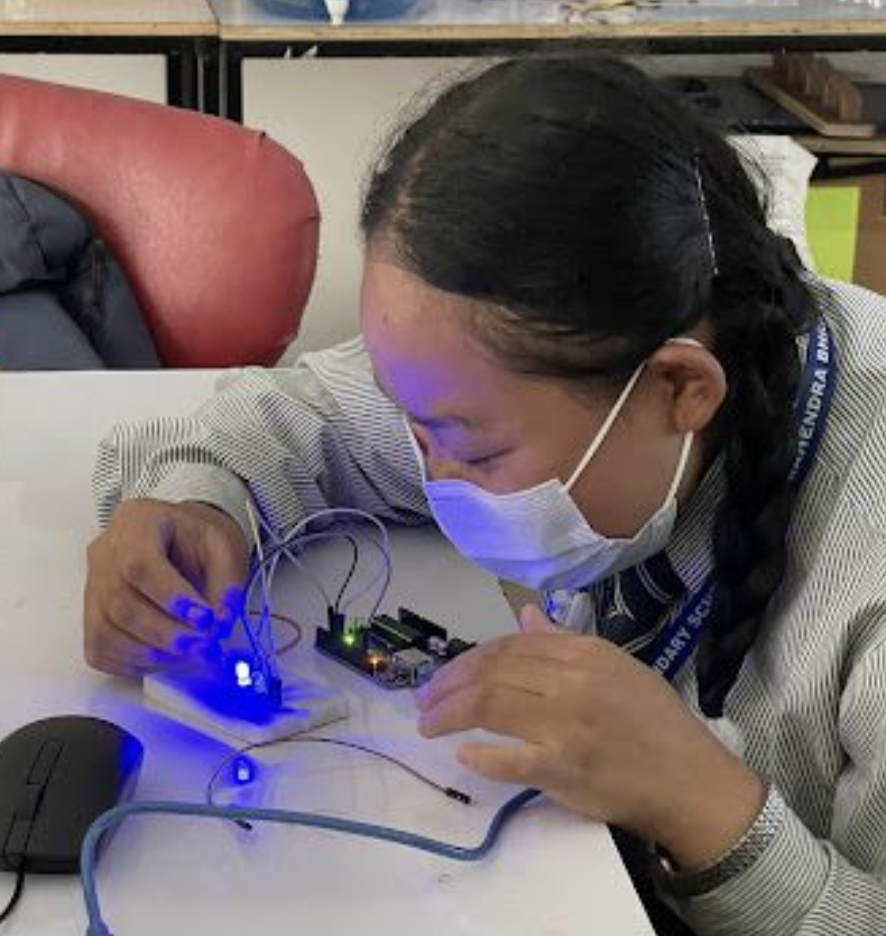
FabLab, Nepal
FabLab Nepal collaborate with schools and universities to promote digital literacy.

Science Camp, Iraq
ScienceCamp is the first-ever maker space in Iraq to allow students to explore their passions.
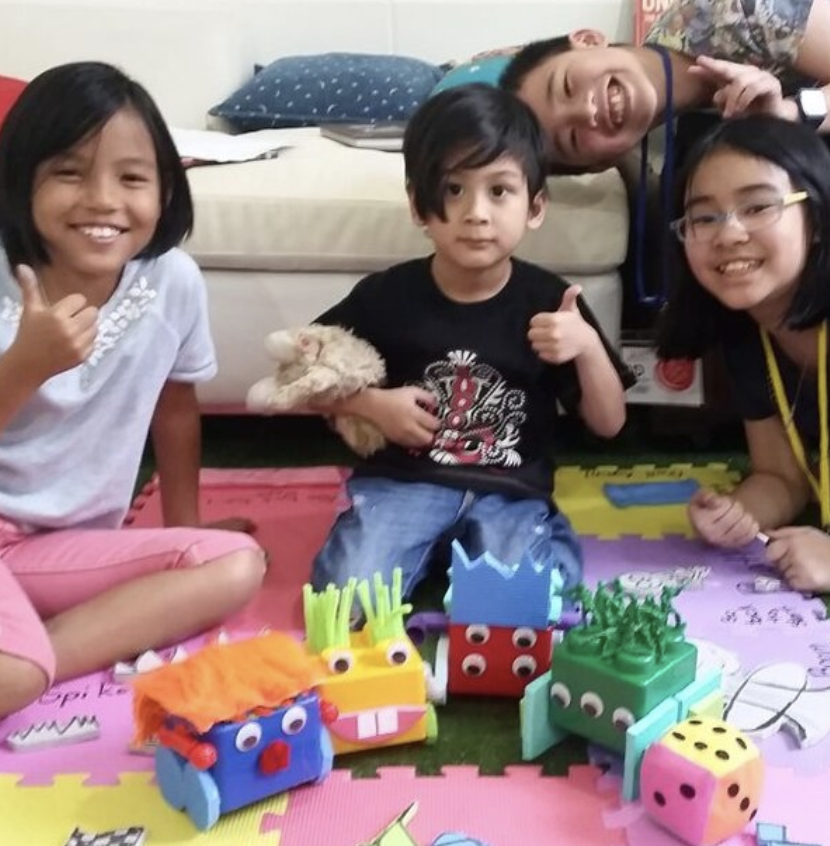
SparkleLab, Philippines
SparkleLab brings kids together to create creative projects with all sorts of engineering tools and crafts.
Looking for more Critical Making stories?
Resources & Tools
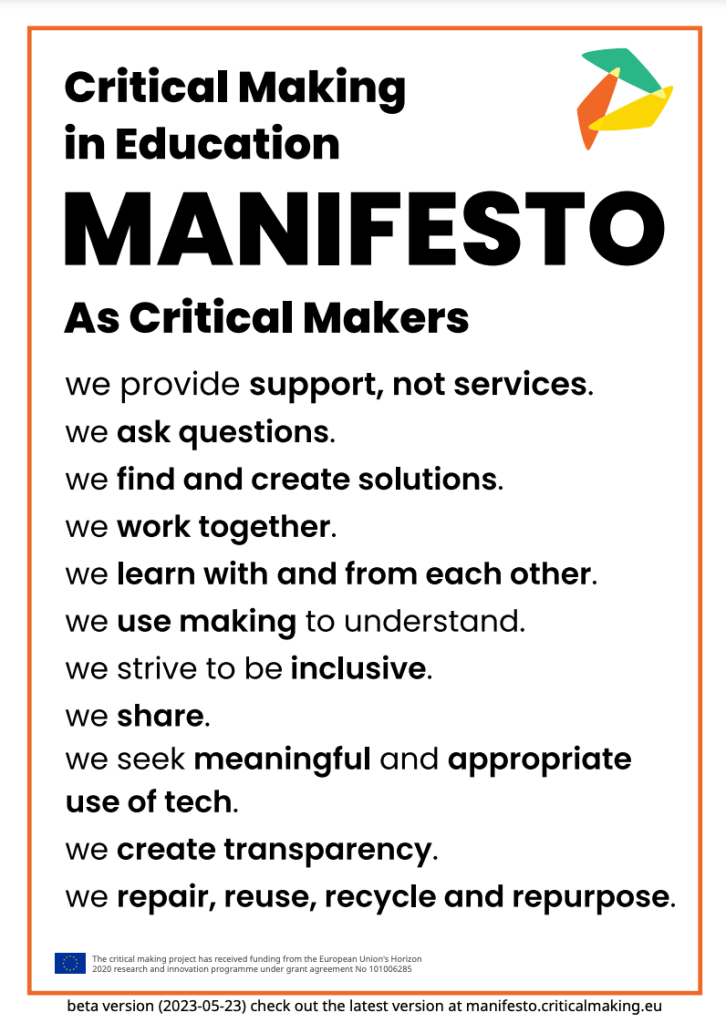
From collective manifestos to DIY activity kits, explore Critical Making for education resources that were co-created based on feedback and input received during the Critical Making youth encounters.
 Critical Making